
Flourish Beyond
Limits
UNLOCK YOUR FORTUNE
At Flourish & Fortune, we understand that financial stability and personal health are interconnected, and we strive to provide a holistic approach to living. We believe that by practicing good financial habits and maintaining a healthy lifestyle, individuals can create a strong foundation for a fulfilling and prosperous life.

Who We Are
Flourish & Fortune is dedicated to helping consumers achieve financial wellness and a healthy lifestyle. We believe that by living a financially smart life and practicing wellness habits, people can truly flourish and experience a life of abundance.
- Flourish & Fortune
Our Recent Posts
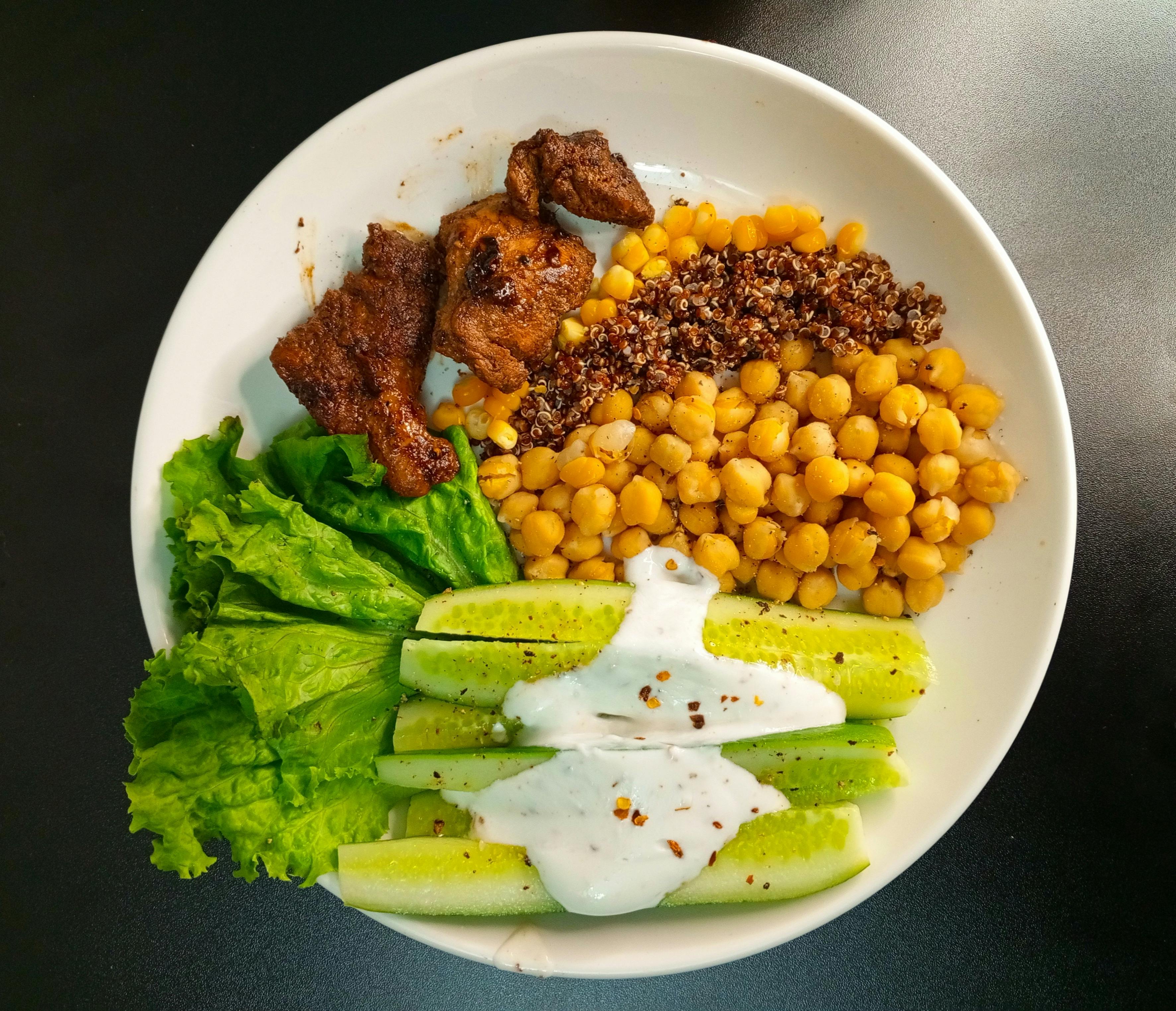
Eat Well for Less: Smart Meal Planning Tips That Save Money and Support Your Health
Eating healthy doesn’t have to be expensive—but without a plan, food costs can quickly add up. From last-minute takeout to wasted groceries, small habits can quietly drain your budget. The good news is that with a few simple strategies, you can enjoy nutritious meals while keeping your spending under control.
Meal planning isn’t about strict diets or complicated recipes. It’s about being intentional with what you buy, cook, and eat. Here’s how to make it work in a practical, sustainable way.
Start With a Simple Weekly Plan
Keep It Realistic
You don’t need a full 7-day, perfectly structured plan to get started. Begin with 3–5 meals you know you’ll actually cook. Leave room for leftovers or flexible days.
Plan Around Your Schedule
Busy days often lead to takeout. Identify those days and plan quick, easy meals ahead of time. This reduces the temptation to spend on convenience food.
Build Meals Around Affordable Staples
Focus on Budget-Friendly Ingredients
Base your meals on cost-effective staples like rice, eggs, beans, pasta, oats, and seasonal vegetables. These are nutritious, versatile, and easy to stretch across multiple meals.
Use What You Already Have
Before heading to the store, check your pantry and fridge. Planning meals around what you already own helps reduce waste and unnecessary spending.
Create a Smart Grocery List
Shop With a Purpose
Once your meals are planned, list only the ingredients you need. This helps avoid impulse purchases and keeps your grocery bill in check.
Stick to the List
It’s easy to get distracted by sales or promotions, but buying items you didn’t plan for often leads to overspending—or food that goes unused.
Cook Once, Eat Multiple Times
Embrace Batch Cooking
Preparing larger portions saves both time and money. Meals like soups, stir-fries, and casseroles can be stored and eaten over several days.
Repurpose Leftovers
Transform leftovers into new meals to avoid boredom. For example, roasted chicken can become sandwiches, salads, or fried rice the next day.
Limit Food Waste
Store Food Properly
Learn how to store fruits, vegetables, and leftovers to keep them fresh longer. This prevents spoilage and helps you get the most out of what you buy.
Use Ingredients Creatively
If something is about to go bad, find a way to use it—add vegetables to soups, blend fruit into smoothies, or turn leftovers into a quick stir-fry.
Balance Nutrition and Cost
Don’t Sacrifice Health for Savings
Eating cheap doesn’t mean eating poorly. Whole foods like vegetables, grains, and proteins can be both affordable and nutritious when planned well.
Keep Meals Simple
Healthy meals don’t need to be complicated. A balanced plate can be as simple as rice, vegetables, and a protein source.
Be Strategic With Protein
Choose Cost-Effective Options
Protein is often the most expensive part of a meal. Eggs, canned fish, tofu, and legumes are usually more affordable than meat.
Stretch Your Ingredients
If you do buy meat, use smaller portions and combine it with vegetables or grains to make it last longer across meals.
Take Advantage of Sales and Seasonal Items
Buy What’s in Season
Fruits and vegetables are often cheaper when they’re in season. They also tend to be fresher and more flavorful.
Stock Up When It Makes Sense
If a non-perishable item you regularly use goes on sale, consider buying extra—just make sure it won’t go to waste.
Prepare Snacks at Home
Avoid Costly Convenience Foods
Pre-packaged snacks can be expensive. Preparing your own snacks—like cut fruits, boiled eggs, or homemade sandwiches—can save money over time.
Keep Healthy Options Ready
Having ready-to-eat snacks at home reduces the urge to buy food while you’re out.
Stay Flexible and Adjust
Not Every Week Will Be Perfect
Sometimes plans change, and that’s okay. The goal is to stay consistent, not perfect.
Learn What Works for You
Over time, you’ll discover which meals are affordable, easy, and enjoyable. Build your routine around those.
Final Thoughts
Meal planning is one of the most effective ways to save money without sacrificing your health. It puts you in control of both your budget and your nutrition, helping you make smarter choices with less stress.
Start small, keep it simple, and stay consistent. With time, these habits can lead to meaningful savings—and a healthier, more balanced way of eating every day.